
The Indian Family System: When Adults Are Still Treated as Children
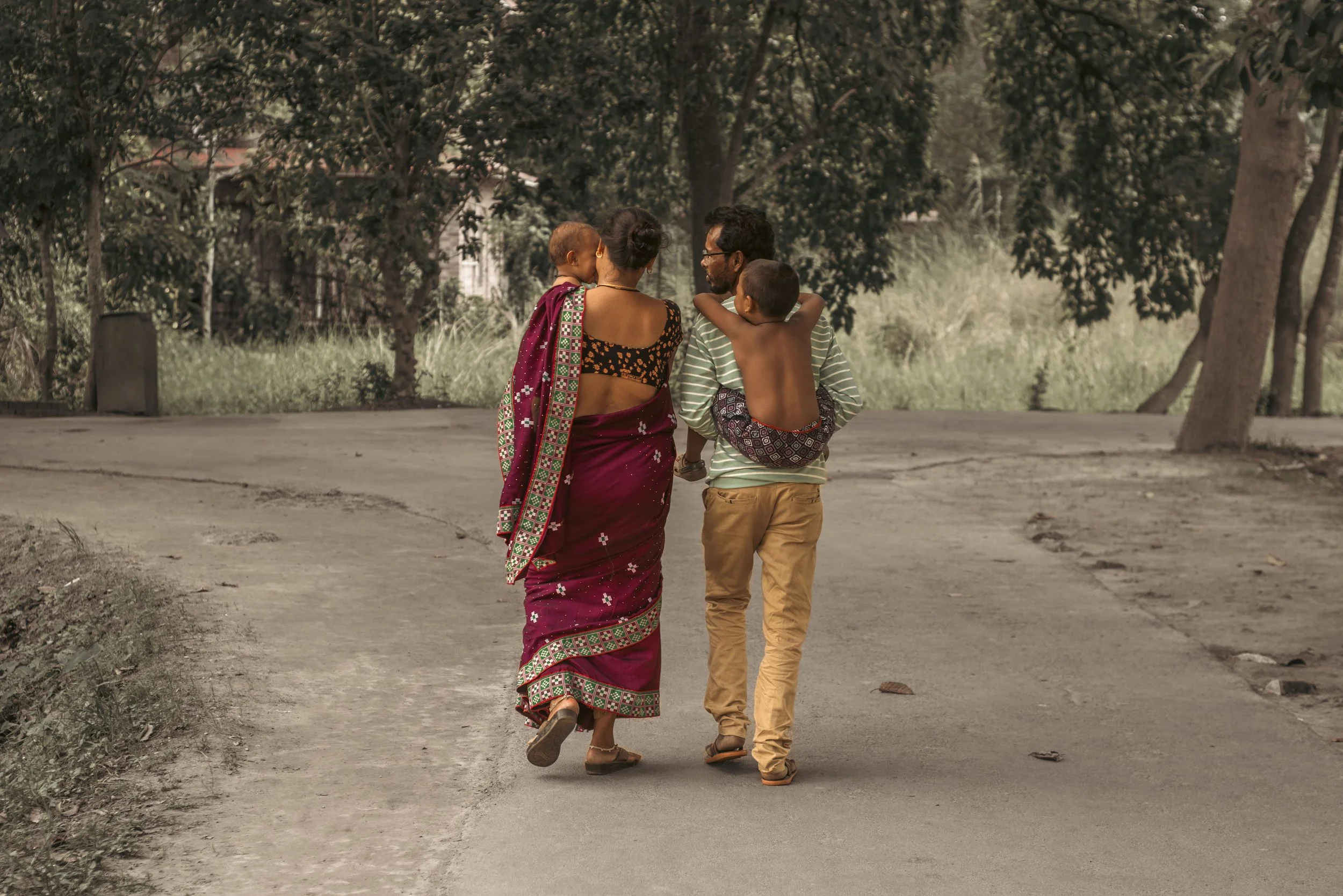
By Priyanka Lugani
Every family system is built upon spoken and unspoken values.
Certain beliefs become sacred. Parents are gods. Obedience is virtue. Family reputation comes before individual truth. These values form what Jung might call the super-ego of the family system: the invisible authority that dictates acceptable behaviour. Topics such as sexuality, menstruation, desire, conflict, abuse and personal freedom often become sources of shame rather than conversation.
Family arrangements vary in form, yet they often produce similar psychological consequences. Patterns emerge that become so normalised they are rarely questioned.
Behaviours that appear irrational, immature or contradictory from the outside are often simply the visible symptoms of an unseen system operating beneath the surface. Many adults remain trapped in developmental stages they were never permitted to complete.
After university, for example, the focus frequently shifts towards becoming useful to the family system. One is expected to join the family business, fulfil family obligations, marry and have children. Individual development becomes secondary. Yet university often serves as an important initiation into adulthood.
For perhaps the first time, a young person lives independently. They make mistakes. They discover their own preferences. They encounter people outside their cultural bubble. They begin to experience the possibility of becoming an individual.
Then many return home. And something remarkable happens. The family continues relating to them as though they never left. The adult is not met. The child is.
Jung referred to a phenomenon called the “regressive restoration of the persona”: a return to an earlier version of oneself. The person who discovered independence at university gradually collapses back into the identity the family remembers. Eventually, a thirty or forty-year-old can still be spoken to as though they are sixteen.
When that space is not available, development becomes distorted. The future self that was preparing to launch into the world crashes back into adolescence.
Parents become confused by the resentment that emerges. The adult-child feels trapped. The parents feel unappreciated. Both suffer, often without understanding why. The crisis is not a failure of character. It is the consequence of a developmental process interrupted.
