
Closeness vs enmeshment in family systems: Where love becomes dependency
By Priyanka Lugani
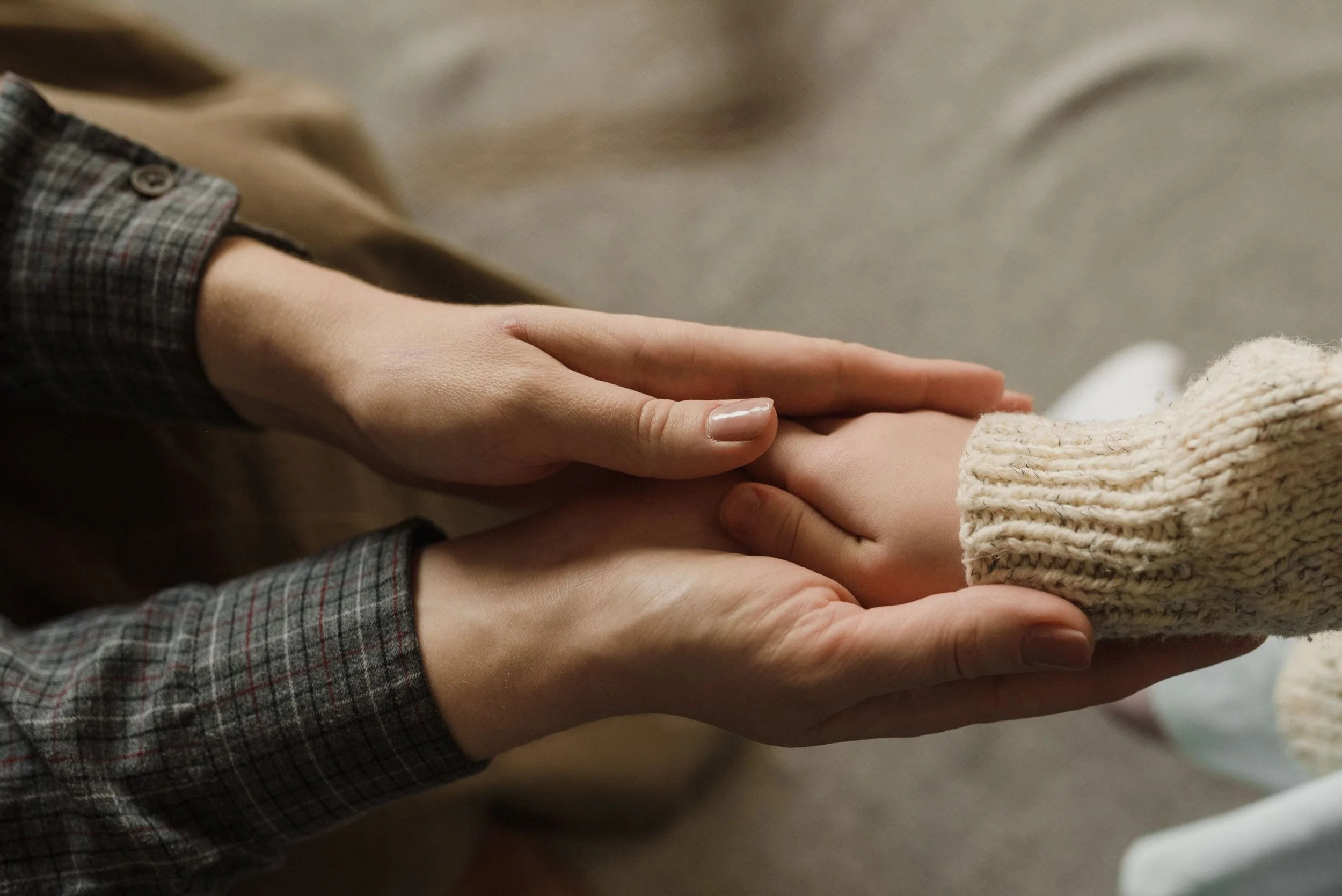
Enmeshment within family systems is often confused with closeness. Decisions are rarely made independently. Life is lived through the lens of obligation, duty and collective expectation. Individual desires become secondary to maintaining harmony within the family system.
Support helps a person become more fully themselves. Enmeshment keeps a person psychologically dependent. From the outside, the two can look remarkably similar. Both involve care, closeness and participation in one another’s lives. Yet one encourages growth, while the other unconsciously resists it.
Many traditional family systems operate through an unconscious belief that family members are extensions of one another. Boundaries become blurred. The voice of the collective becomes stronger than the voice of the individual. In these systems, one person’s needs often dominate while others learn silence. Individuality becomes suppressed in favour of belonging. As a result, many people enter adulthood psychologically fused with their parents, grandparents and siblings. They may become successful professionals, spouses or parents, yet internally remain locked within the emotional architecture of childhood.
This has consequences.
An individual who has not individuated struggles to become a healthy spouse. Intimate relationships require boundaries, self-awareness and emotional responsibility. A person who remains psychologically fused with their family often brings that entire unconscious structure into the marriage. The romantic partner inherits dynamics that existed long before they arrived.
Parenting becomes equally complex. The unresolved dependency, fears and emotional immaturity of one generation are unconsciously passed to the next. Children inherit not only values and traditions, but also unfinished psychological work. Dysfunction reproduces itself not because people are malicious, but because unconscious patterns continue operating unseen.
